Article IV · How It Is Governed · Clause 4.3
The Public University Is Not the Private One
The word "trustee" appears in both charters, but the job is not the same.
- Instrument
- Clause 4.3
- Filed under
- How It Is Governed
- Schedules attached
- 1
- Reading
- 4 min
Who the Board Actually Answers To
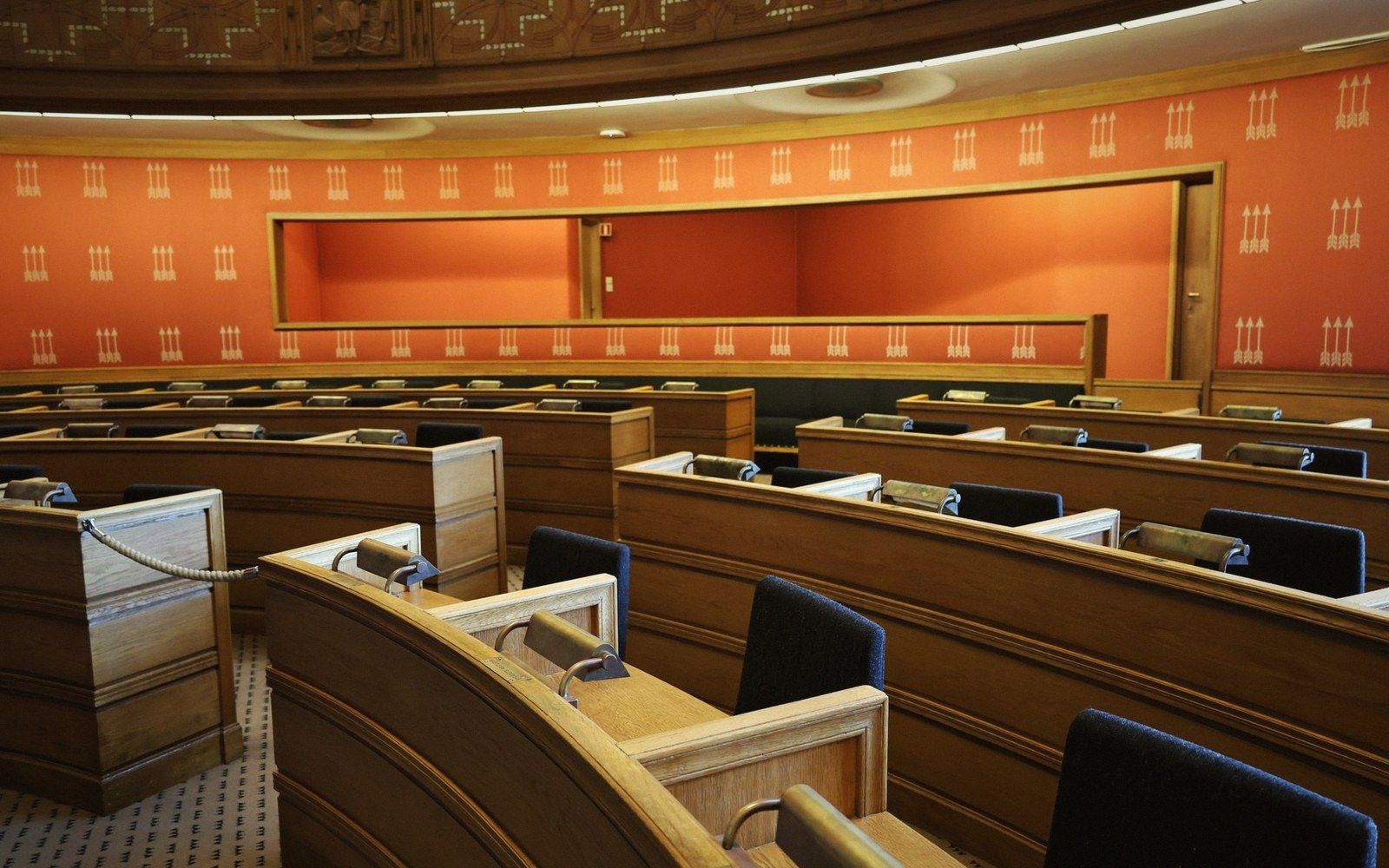
At a flagship public university — Michigan, Virginia, Wisconsin, or any of the major state systems — the governing board is a creature of state government. Some boards are appointed by the governor; others, like the University of Michigan's regents, are elected directly by voters on a statewide ballot. Either way, the board's composition is constrained by a political process that runs through the capitol, not the campus. Members serve fixed terms. Their meetings are, in most states, subject to open-meetings statutes, which means agendas must be published in advance, deliberations occur in public, and votes are recorded. A journalist can attend. A citizen can sue if the process is violated.
At a major private university — Harvard, Duke, Vanderbilt — the board is self-perpetuating: existing trustees nominate and elect their own successors, typically through a committee on trusteeship. There is no electorate, no confirmation process, no statutory disclosure requirement. The corporation or board of trustees operates under the institution's own bylaws, and those bylaws are largely private documents. Meetings are closed. Minutes are released selectively, if at all. The accountability mechanism is the institution's charter, its accreditor, and in extreme cases a state attorney general with jurisdiction over charitable assets — a thin layer of external oversight compared with a legislature holding annual budget authority.
Where the Budget Chain Diverges
The funding structure makes the governance difference concrete. A flagship public university derives a significant share of its operating revenue from state appropriations, which must pass through the legislature each budget cycle. That dependence creates leverage. Legislators can attach conditions, reduce line items, demand audits, or hold public hearings at which university administrators are expected to testify. The board cannot simply set tuition unilaterally in most systems; increases above a certain threshold require legislative approval or are subject to political veto. When a research university decides to close a department or spin off a hospital, the decision travels through layers of public accountability that have no equivalent in the private sector.
A private university's board approves the operating budget internally, sets tuition without external approval, decides on capital projects within the limits of its debt covenants and donor agreements, and is answerable chiefly to itself between accreditation cycles. The endowment — if the institution has a substantial one — provides a revenue base that further insulates the board from any external funder's demands. The tradeoff is not pure freedom: the IRS monitors the university's tax-exempt status, and the attorney general of the state of incorporation can investigate apparent breaches of fiduciary duty over charitable assets. But these are backstop mechanisms, not routine oversight.
What the Difference Means in Practice
The practical consequences show up most sharply in three situations: political pressure, financial distress, and major real-estate decisions.
A state legislature can, and periodically does, mandate that public universities offer or discontinue specific academic programmes, set enrollment targets for in-state students, or restrict how certain research funds are used. No such mandate reaches a private board except through contract (a federal grant's terms, for instance) or a gift agreement negotiated with a donor. The private university can ignore a legislature entirely. The public one cannot.
In financial distress, the difference is also stark. A public university in genuine crisis has a sovereign backstop — it can petition the state for emergency funds, and the state has a political and sometimes a legal interest in keeping the institution solvent. A private university facing insolvency has only its assets, its creditors, and the merger market among peer institutions. The board holds that risk alone.
On real-estate decisions — acquiring land, developing parcels, negotiating with municipalities — public universities often face additional procedural requirements and are more visibly accountable to surrounding communities through city councils and planning boards. Their very size as landowners can subject them to state environmental review processes that private institutions, depending on jurisdiction, may navigate under lighter scrutiny.
The word "trustee" implies stewardship. At a public university, stewardship is enforced by the ballot box, the budget process, and the open-meetings statute. At a private one, it is enforced largely by the board itself. Both are real constraints. They are not the same constraint.
Also in How It Is Governed
Related clauses