Article II · The Campus · Clause 2.4
The Construction Cycle That Never Ends
Why American universities build continuously — and why the structural incentives guarantee they always will
- Instrument
- Clause 2.4
- Filed under
- The Campus
- Schedules attached
- 1
- Reading
- 4 min
The Machine That Requires a Ribbon-Cutting
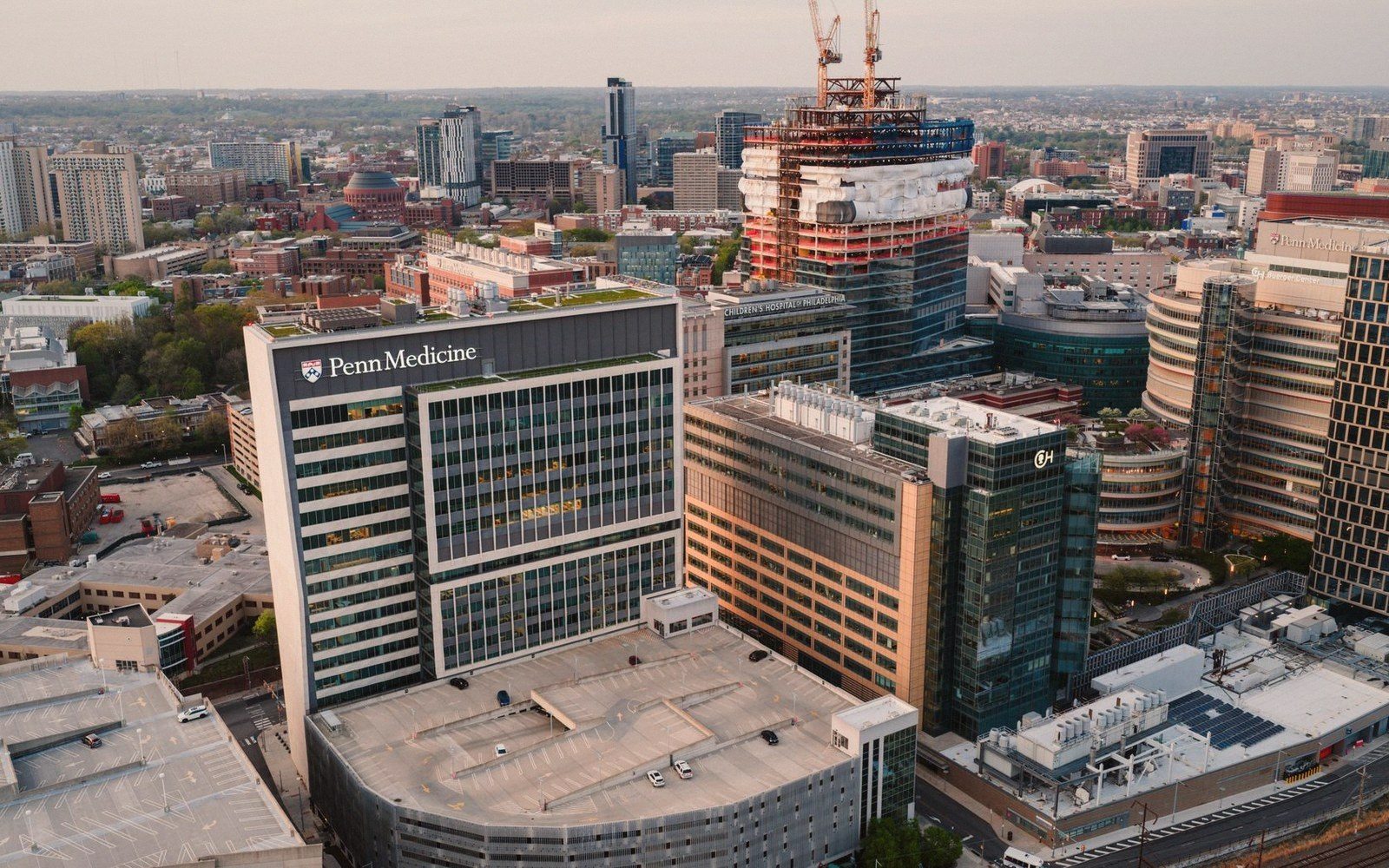
Walk a major American campus on any given autumn and you will almost certainly find a crane. Not because the university just decided to grow, but because the conditions that produce construction never fully resolve. The capital building cycle at most research universities is not a project that finishes; it is a permanent institutional condition, driven by incentives that have little to do with the actual demand for square footage.
Start with donors. A gift to the operating budget is invisible. It pays a postdoc's salary or restocks a chemical supply cabinet; it leaves no trace a trustee can point to at a board dinner. A building, by contrast, is a forty-year advertisement for the donor's generosity and the institution's gratitude. Universities have long understood this asymmetry, and they have constructed an elaborate infrastructure around it — naming committees, gift minimums by wing and floor, atrium-versus-classroom-versus-building hierarchies of price. Every capital campaign sets a construction target not because facilities analysis demands it, but because naming opportunities are among the most reliable tools for closing major gifts. The building is, in part, the fundraising product.
Bonds compound the pressure. Most construction is not paid for by donations alone. Universities issue tax-exempt revenue bonds, sometimes in tranches of hundreds of millions of dollars, to finance construction, and bondholders expect evidence of institutional vitality. A university that has stopped building can look like a university that has stopped growing, which in the bond market is a signal of risk. Rating agencies weight capital investment alongside endowment levels and enrollment trends. The result is that the optics of construction have genuine financial consequences: pausing the building program can, counterintuitively, raise borrowing costs over time.
Square Footage as Credential
Accreditation adds a third layer. Regional accrediting bodies — the bodies that determine whether a university's degrees are recognized — do not typically mandate specific buildings. But they do evaluate whether an institution's physical plant is adequate to its stated mission, and many professional accreditors (law, medicine, business, nursing) publish explicit norms: so many gross square feet of clinic per enrolled student, laboratory space per research dollar claimed, library stack space per volume held. An institution that wants to add a professional school or grow an existing one must often build before it can teach, because the accreditor will count rooms before it approves programs. Construction, in this sense, is a credential.
The maintenance cycle feeds the new-construction cycle in a way that is genuinely counterintuitive. Deferred maintenance on existing buildings is boring. It does not attract donors, it does not appear in the bond prospectus as growth, and it does not generate alumni newsletter photographs. New buildings do all three. The rational institutional response — and it is documented across dozens of campuses — is to let older stock age while constructing new space, then eventually demolish or radically renovate the old building when it becomes a liability, which itself qualifies as a capital project and can itself carry a donor name. The cycle turns on itself. Buildings produce the conditions for more buildings.
State flagship universities operate under a variant of the same logic. Legislative capital appropriations are, in many states, easier to secure than operating budget increases, because a building can be photographed and pointed to by a district legislator in a way that a faculty salary line cannot. Administrators have learned to channel requests accordingly, which means universities sometimes have handsome new science wings and frozen staff hiring simultaneously — a mismatch that reflects the political economy of appropriations more than any coherent facilities plan.
None of this is entirely irrational from the institution's vantage point. Accumulated space is accumulated leverage: the university controls land and structures that appreciate, can be mortgaged, and represent a physical claim on its host city. The university's role as a dominant landowner is partly a function of this perpetual building reflex — land must be acquired before the building can go on it, and acquiring land for the next project is itself a continuous background activity. Bond covenants sometimes require it.
What the cycle produces, over decades, is a built environment that reflects donor preferences, bond-market signaling, and accreditation requirements as much as it reflects educational or research need. The buildings are real and they are often handsome. But the forces that produced them are structural rather than curricular, and they will produce the next building too, before anyone has quite decided what it is for.
Also in The Campus
Related clauses